
By Dr. Allan Harrington, Chief Medical Officer & Mohs Surgeon, WellAve Dermatology
August is Psoriasis Awareness Month, an important opportunity to talk about a skin condition that affects millions of Americans — and is often misunderstood.
If you’ve ever dealt with persistent red, scaly or itchy patches of skin, you may have wondered: Is this just dry skin? Eczema? An allergic reaction? Or could it be psoriasis?
Throughout my career in dermatology, I’ve seen many patients who have lived with psoriasis symptoms for months — and sometimes years — before seeking treatment. One of the most important messages I can share is that psoriasis is a medical condition, and today’s treatment options can make a meaningful difference.
Here are 7 things I want everyone to know about psoriasis.
1. Psoriasis Is Not Just “Really Dry Skin”
Psoriasis is a chronic immune-mediated disease that causes skin cells to build up more rapidly than normal.
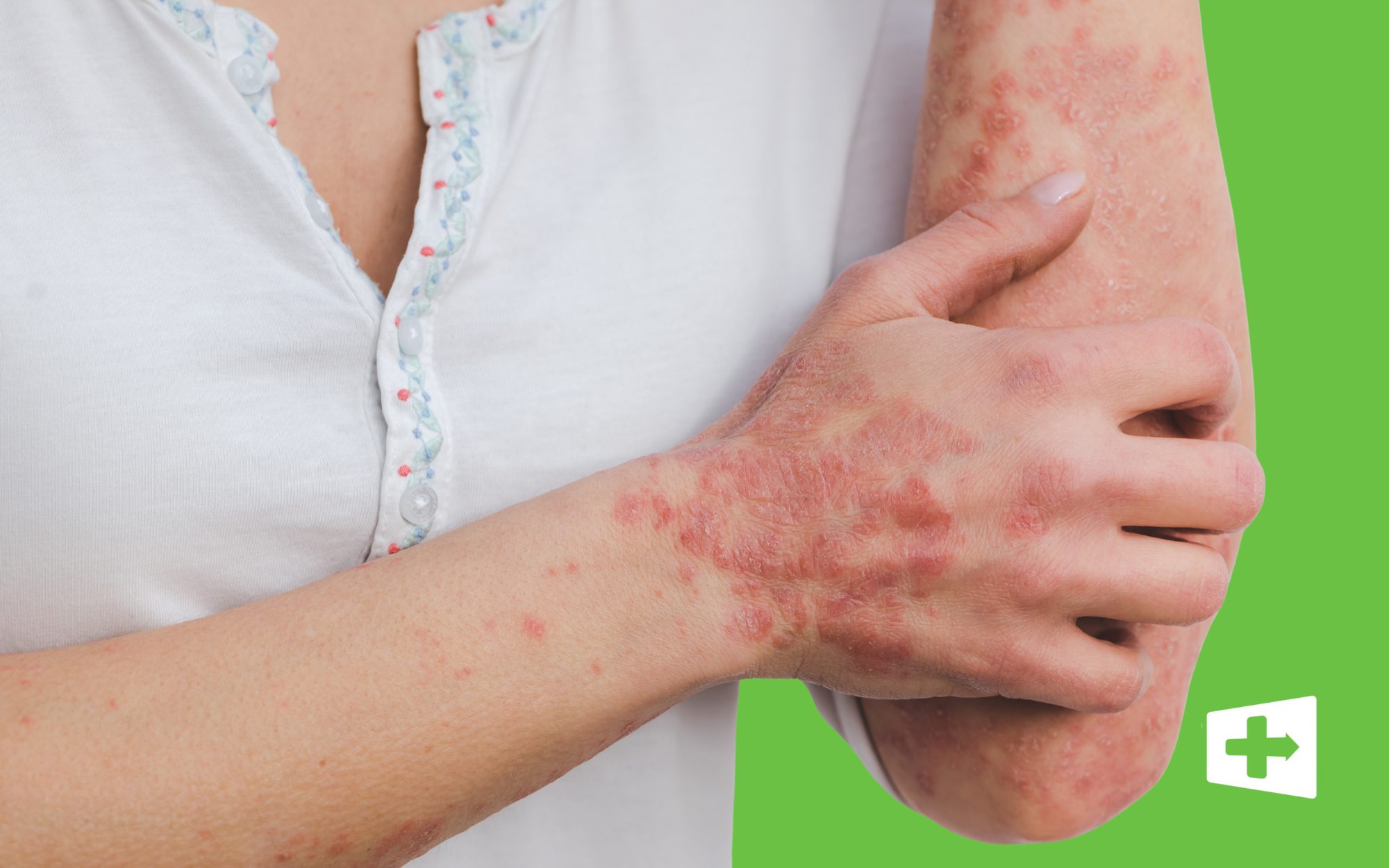
The most common form, plaque psoriasis, typically causes raised, inflamed areas of skin covered by scales. Psoriasis can appear almost anywhere, but commonly affects the:
- Scalp
- Elbows
- Knees
- Lower back
- Hands and feet
- Nails
- Skin folds
Symptoms can range from relatively mild patches to widespread psoriasis that significantly affects a person’s comfort and quality of life.
If a patch of “dry skin” keeps returning in the same place or doesn’t improve with ordinary moisturizers, it’s worth having a dermatology provider take a look.
2. Psoriasis Is NOT Contagious
This is one of the most important psoriasis myths to clear up.
You cannot catch psoriasis from another person.
You can’t get it by touching someone’s skin, sharing a towel, swimming in the same pool or having close physical contact.
Unfortunately, visible psoriasis can sometimes make people feel self-conscious or embarrassed. Understanding that psoriasis is an immune-mediated condition — and absolutely not contagious — can help eliminate some of that stigma.
3. Psoriasis Can Look Different From Person to Person
When people hear “psoriasis,” they often picture the classic thick, scaly plaques on the elbows and knees. But psoriasis doesn’t always look that way.
There are several types of psoriasis, including:
Plaque psoriasis: The most common form, characterized by raised, scaly patches.
Scalp psoriasis: Scaling, itching and inflammation of the scalp that can sometimes be mistaken for severe dandruff.
Guttate psoriasis: Small, drop-like spots that may appear suddenly, sometimes following an infection.
Inverse psoriasis: Smooth, inflamed patches that develop within skin folds, including the armpits, groin or underneath the breasts.
Pustular psoriasis: Pus-filled bumps surrounded by inflamed skin.
Because psoriasis can resemble eczema, fungal infections, seborrheic dermatitis and other skin conditions, getting the right diagnosis matters.
4. Stress Isn’t the Only Thing That Can Trigger a Flare
Psoriasis often goes through cycles. Your skin may improve for a period of time and then suddenly flare again.
Common psoriasis triggers can include:
- Stress
- Illness or infection
- Skin injuries
- Cold or dry weather
- Certain medications
- Smoking
- Heavy alcohol use
- Changes in overall health
Triggers aren’t the same for everyone. Learning what seems to aggravate your psoriasis can be an important part of managing the condition.
I encourage patients to pay attention to patterns. If your psoriasis suddenly worsens, think about what may have changed during the previous several weeks and discuss those changes with your dermatology provider.
5. Psoriasis Can Affect More Than Your Skin
This is one of the biggest reasons patients shouldn’t simply “live with” psoriasis without discussing it with a healthcare provider.
Psoriasis is associated with inflammation that can extend beyond the skin.
Some people with psoriasis develop psoriatic arthritis, which may cause joint pain, swelling and stiffness. Psoriasis is also associated with other health conditions, which is why communication with both your dermatology provider and primary care provider is important.
Tell your healthcare provider if you have psoriasis and begin experiencing symptoms such as:
- Joint pain or swelling
- Morning stiffness
- Swollen fingers or toes
- Heel pain
- Nail changes
- Unexplained fatigue
Don’t assume those symptoms are unrelated to your psoriasis.
6. Psoriasis Treatment Has Come a Long Way
This is one of the most encouraging developments I’ve witnessed in dermatology.
There are more psoriasis treatment options available today than ever before.
Depending on the type, severity and location of your psoriasis, treatment may include:
- Prescription topical medications
- Non-steroid topical treatments
- Light therapy
- Oral medications
- Injectable medications
- Biologic therapies
Many modern psoriasis medications target specific parts of the immune system involved in the disease, giving dermatology providers more options to individualize treatment.
There isn’t one “best psoriasis treatment” for everyone. The right approach depends on your symptoms, medical history, lifestyle and how much psoriasis is affecting your daily life.
The goal isn’t simply to treat what we can see on the skin. It’s to find an approach that helps patients manage their condition and improve their overall quality of life.
7. You Don’t Have to Wait Until Your Psoriasis Is “Bad Enough”
This may be the most important message of all.
Over the years, I’ve heard many patients say:
“It’s not that bad.”
“I’ve learned to live with it.”
“It’s just something I’ve always had.”
But psoriasis doesn’t need to cover a large percentage of your body before it deserves medical attention.
A relatively small area of psoriasis on your face, scalp, hands, feet, nails or genital area can have a major impact on everyday life.
If psoriasis is affecting your sleep, clothing choices, work, relationships, confidence or activities you enjoy, that’s important.
You deserve to understand your condition and know what treatment options are available.
When Should You See a Dermatology Provider?
Consider scheduling a dermatology appointment if you have a rash or scaly patches that:
- Don’t go away
- Keep coming back
- Itch, burn, crack or bleed
- Are spreading
- Affect your scalp or nails
- Interfere with sleep or everyday activities
- Are accompanied by joint pain or stiffness
You don’t have to diagnose psoriasis yourself. A dermatology evaluation can help determine what you’re dealing with and what treatment options may be appropriate.
A Final Thought During Psoriasis Awareness Month
If there’s one thing I’d like patients to take away this August, it’s that psoriasis is a medical condition — not something you simply have to tolerate.
Whether you’ve been living with psoriasis for years, you’re frustrated with your current treatment, or you’re wondering whether a stubborn rash could be psoriasis, a dermatology evaluation is a good place to start.
At WellAve Dermatology, our dermatology providers diagnose and treat psoriasis and other chronic skin conditions throughout Maryland. Our goal is not simply to treat what we see on your skin, but to understand how your condition is affecting you and develop a treatment plan that fits your needs.
Don’t let psoriasis determine what you wear, what you do or how you feel about your skin.
This Psoriasis Awareness Month, consider making your skin health a priority.
Schedule an appointment with WellAve Dermatology today.
This article is for educational purposes and is not intended to replace individualized medical advice, diagnosis or treatment.
Related Posts
Let’s Talk Psoriasis: It’s Time to Clear Up the Confusion (and the Skin!)
Hey skin warriors — Sheila here! August is Psoriasis Awareness Month, and if you’ve ever found yourself Googling “weird red patch won’t go away” at 1 a.m., this one’s for
Read more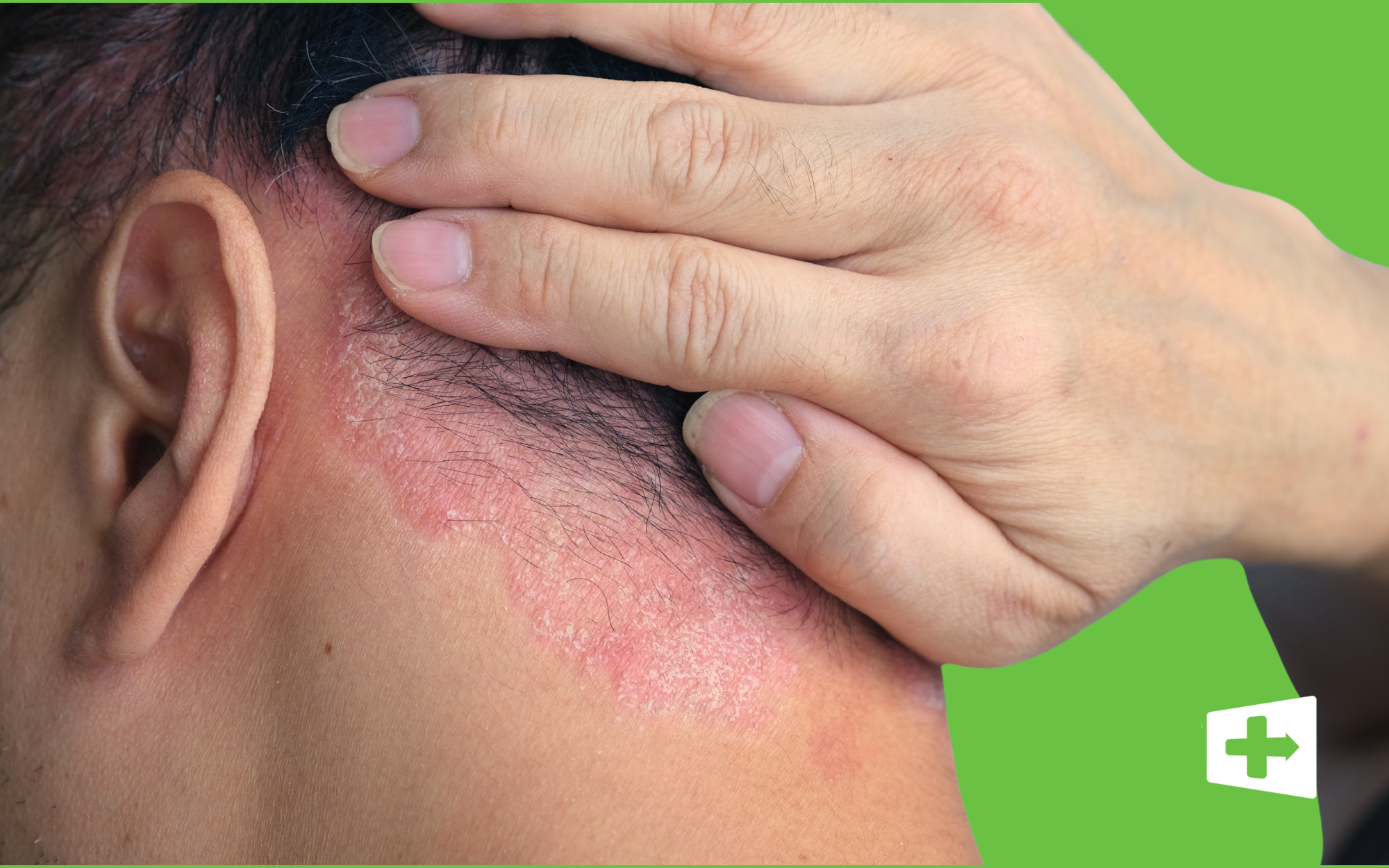
Psoriasis 101: What You Need to Know
What is Psoriasis? Psoriasis is a chronic autoimmune condition that speeds up the life cycle of skin cells. This rapid turnover causes cells to build up on the skin’s surface,
Read more